
Home – Periodontology
Our team guides you with precision, experience, and refined aesthetic judgment at every step of your treatment.
Periodontal disease is a chronic bacterial inflammatory condition affecting the gums and the bone that supports the teeth. It may involve one or multiple teeth and, if not treated in a timely manner, can lead to progressive destruction of supporting tissues.
The primary cause is dental plaque. Contributing factors include smoking, genetic predisposition, stress, diabetes, certain medications, systemic diseases, dietary habits, and pregnancy. Periodontal diseases include gingivitis and periodontitis.
Gingivitis is the mildest form of periodontal disease. The gums appear red, swollen, and may bleed easily, typically without significant pain.
It is primarily associated with inadequate oral hygiene and is fully reversible when appropriate treatment and consistent home care are implemented. Regular professional follow-up every six months contributes to maintaining periodontal health.
When gingivitis is not effectively managed, it may progress to periodontitis. Dental plaque extends below the gum line, and bacterial toxins trigger a chronic inflammatory response that leads to destruction of gum tissue and supporting bone.
The gums detach from the teeth, forming periodontal pockets. As the disease advances, pockets deepen, bone resorption progresses, and teeth may become mobile or even be lost.
The condition often progresses with mild symptoms. Warning signs may include bleeding during brushing, gum recession, tooth mobility, pus discharge, abscess formation, or changes in bite alignment.
Periodontal therapy aims to restore tissue health using the least invasive methods possible.
Conservative treatment includes scaling and root planing, involving removal of plaque and calculus from root surfaces and smoothing of the root to eliminate bacterial toxins.
In certain cases, adjunctive local or systemic antibiotic therapy and modification of contributing habits may be required. In most cases, non-surgical therapy is sufficient.
A strict periodontal maintenance program—typically every 3 to 6 months—is critical. Periodontal disease is dynamic, and failure to maintain follow-up care may result in recurrence.
When non-surgical therapy is insufficient, surgical intervention may be indicated to correct anatomical defects and facilitate improved oral hygiene.
Surgical techniques may be resective—aimed at pocket elimination—or regenerative, intended to promote new formation of periodontal tissues, including bone and connective tissue attachment.
Periodontal surgical procedures may also be applied in other clinical situations.
In cases of prosthetic concerns where decay or fracture extends below the gum line, crown lengthening may be performed to expose adequate tooth structure for restoration.
For aesthetic concerns such as gum recession, root coverage procedures using soft tissue
grafts—often harvested from the palate—may be indicated. These techniques address both dentin hypersensitivity and aesthetic disharmony.
In cases of excessive gingival display (gummy smile), removal of excess gum tissue can create a more harmonious gingival contour.
Finally, in areas of tooth loss accompanied by loss of bone and soft tissue, the use of bone and soft tissue grafts helps restore normal anatomy and create an appropriate foundation for aesthetic and biologically sound prosthetic rehabilitation.
Early diagnosis and consistent monitoring are essential for preserving natural teeth. Contact our office for a comprehensive periodontal assessment and personalized treatment plan.
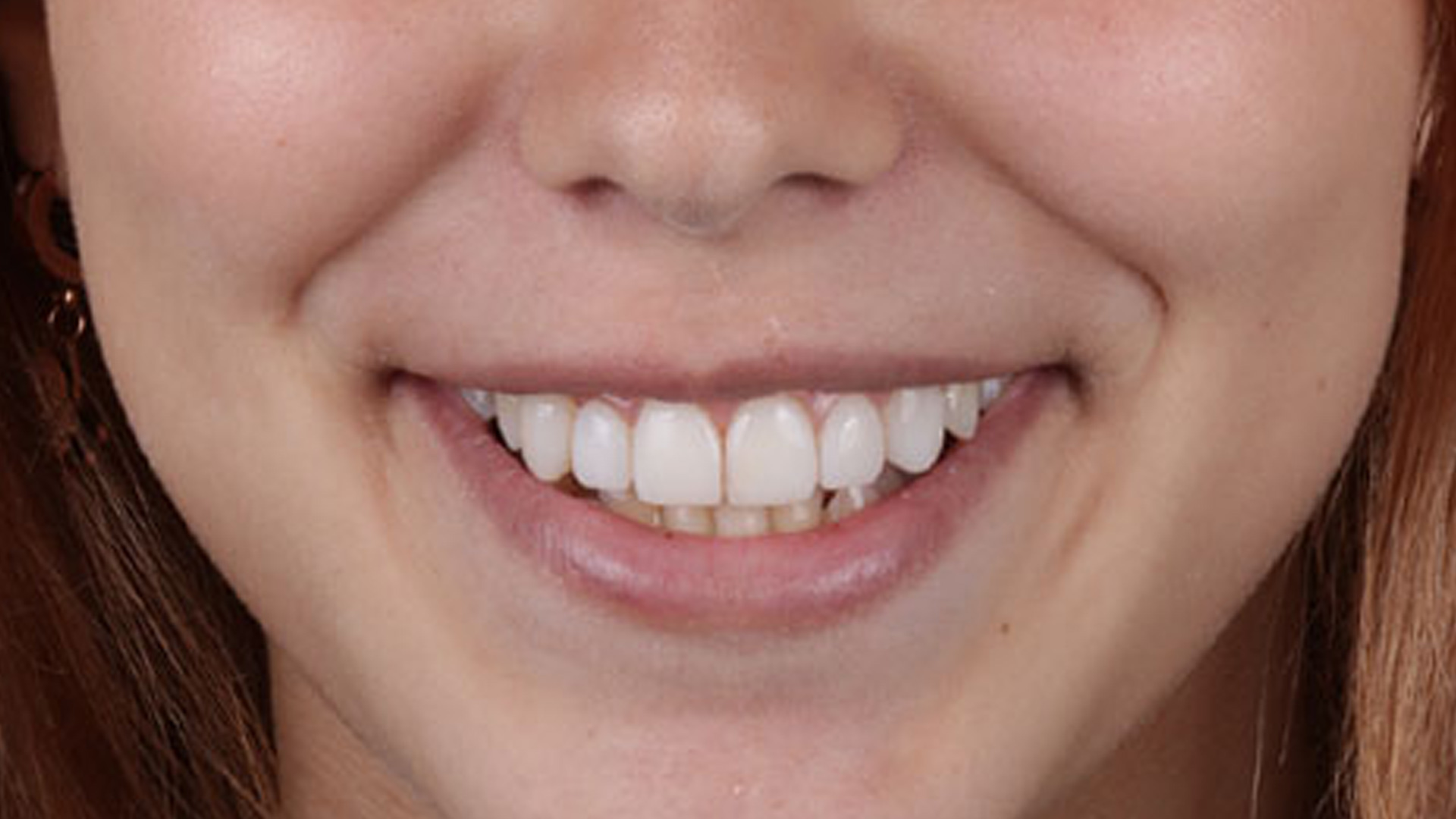
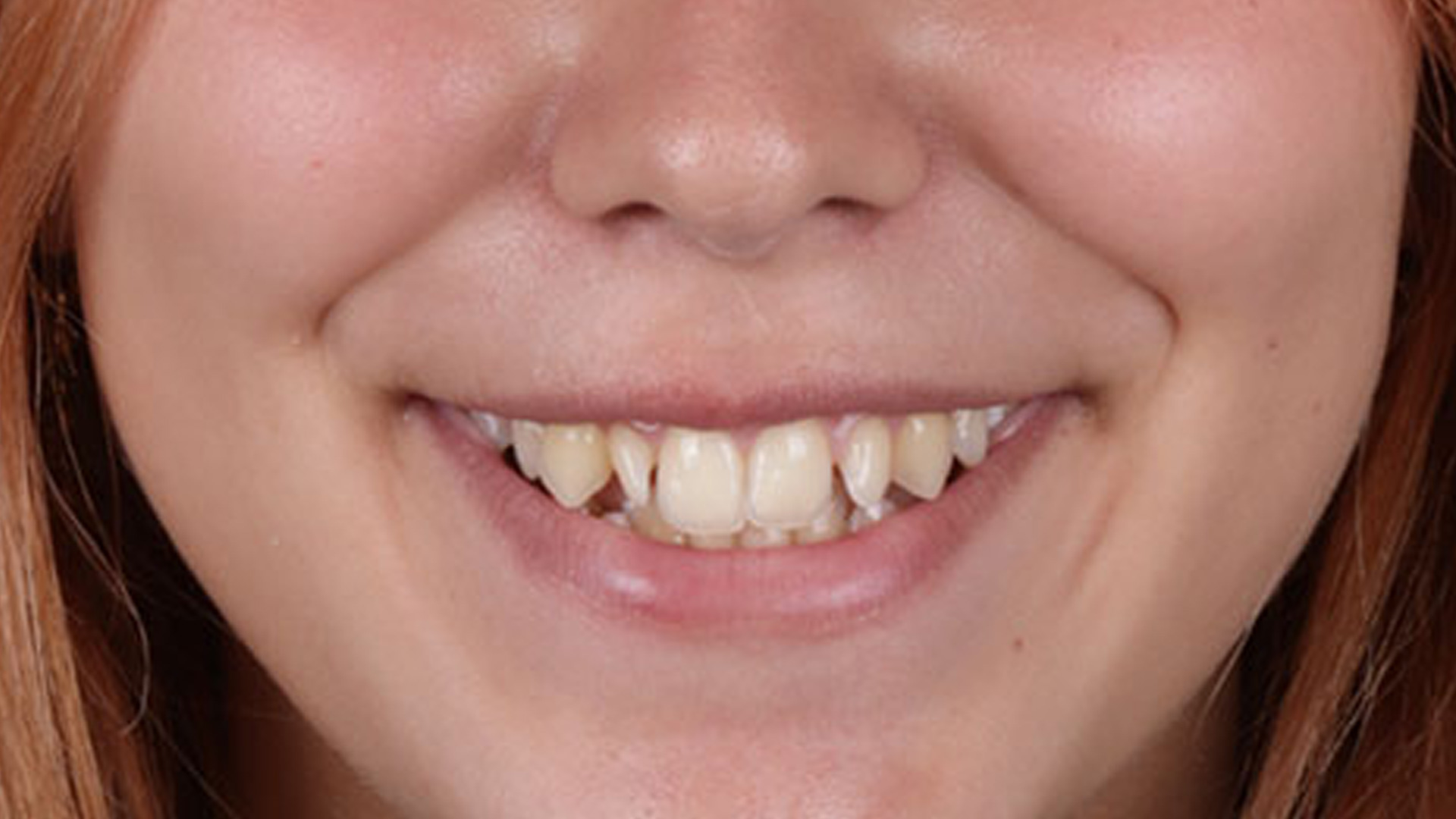
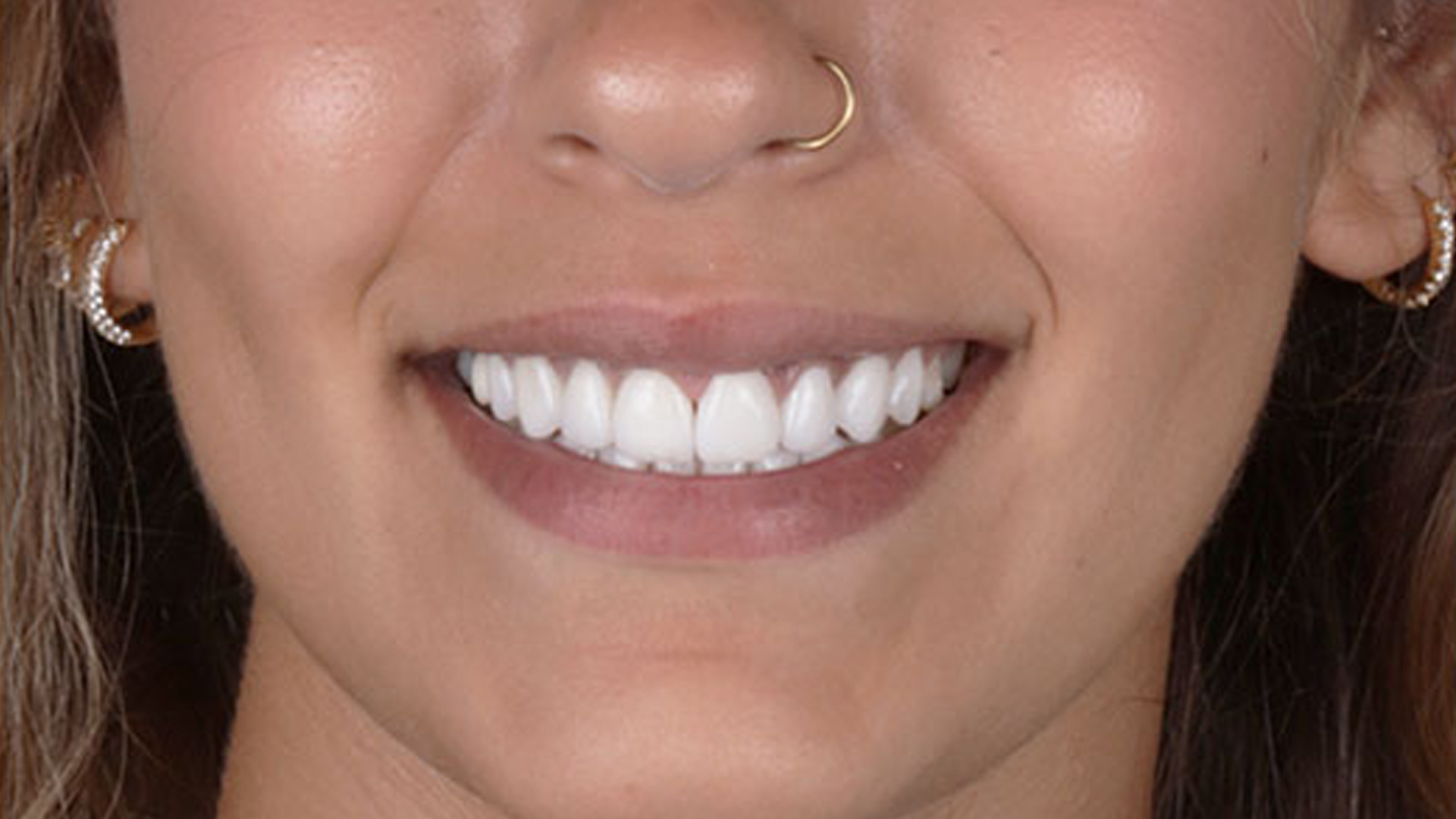
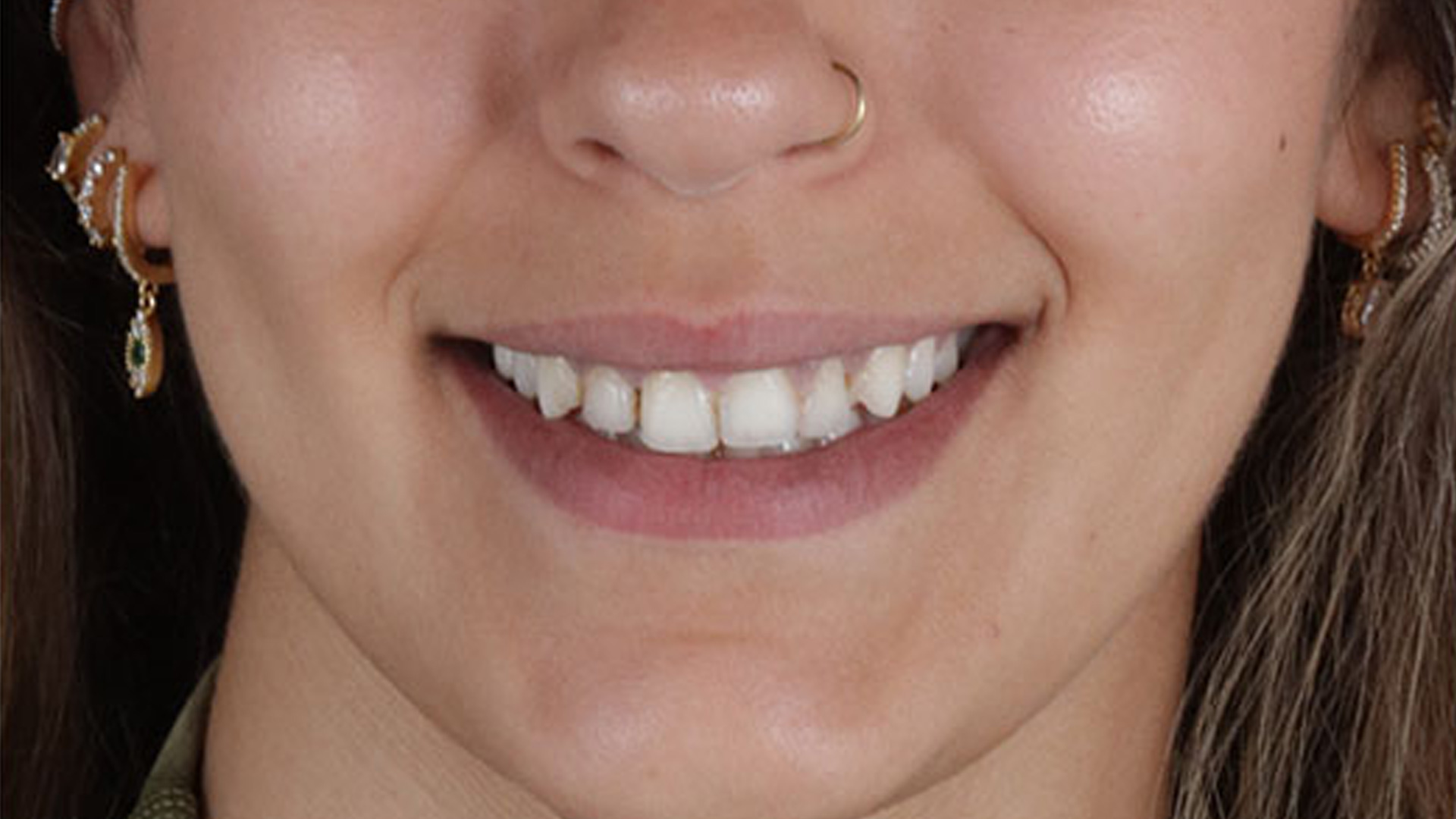
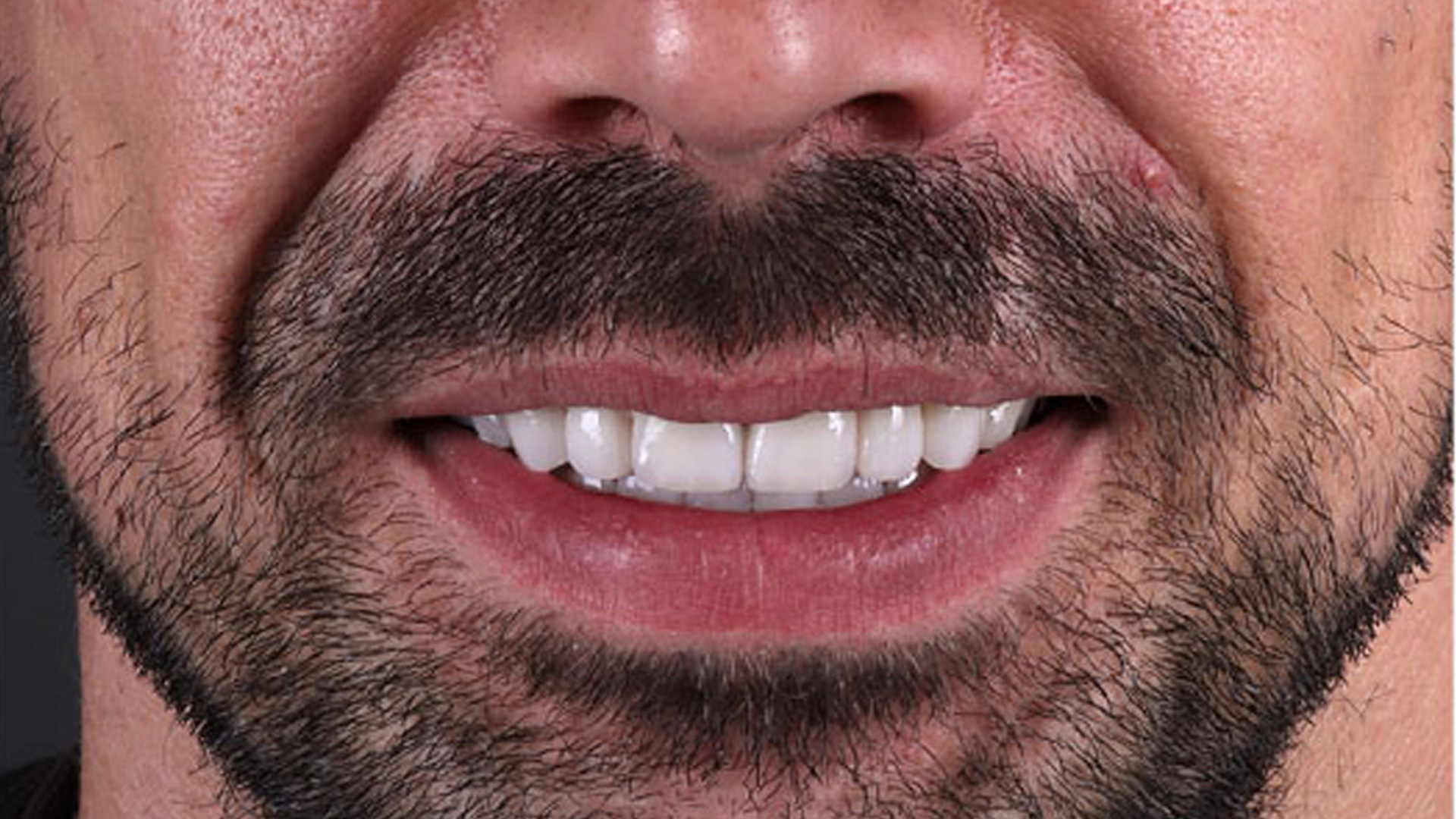
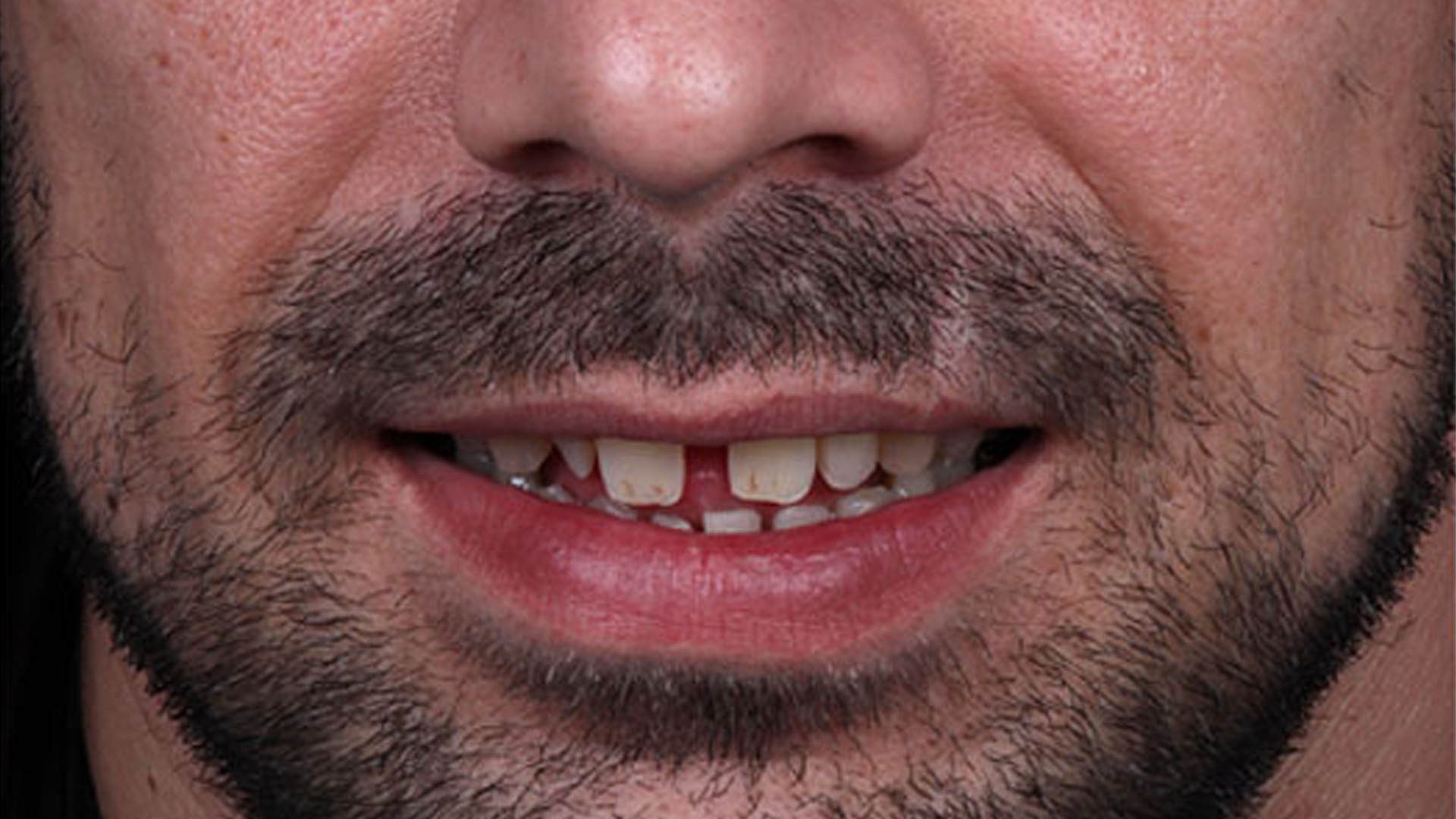
Explore real clinical cases from our practice and see how esthetic dentistry can transform a smile.