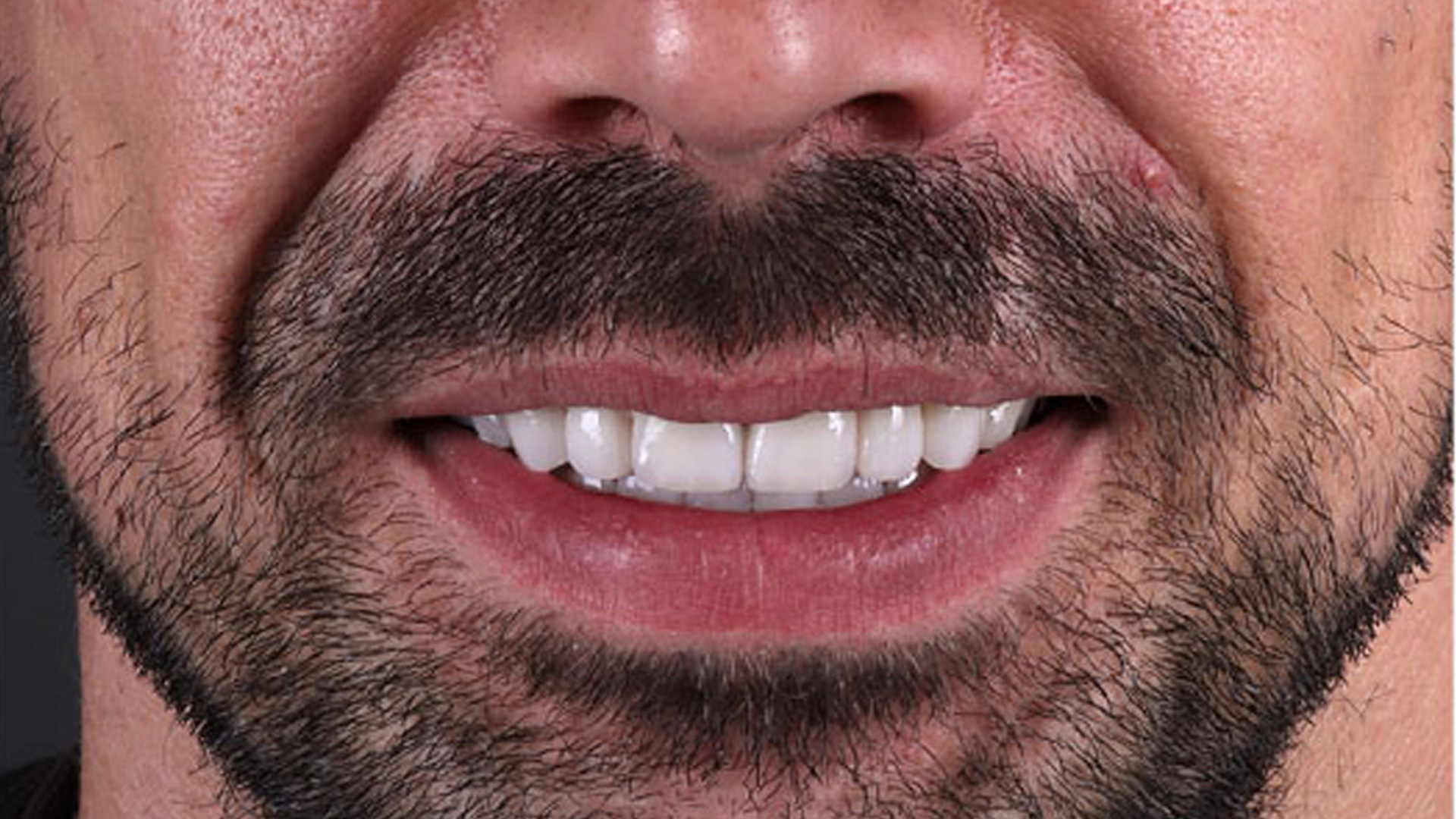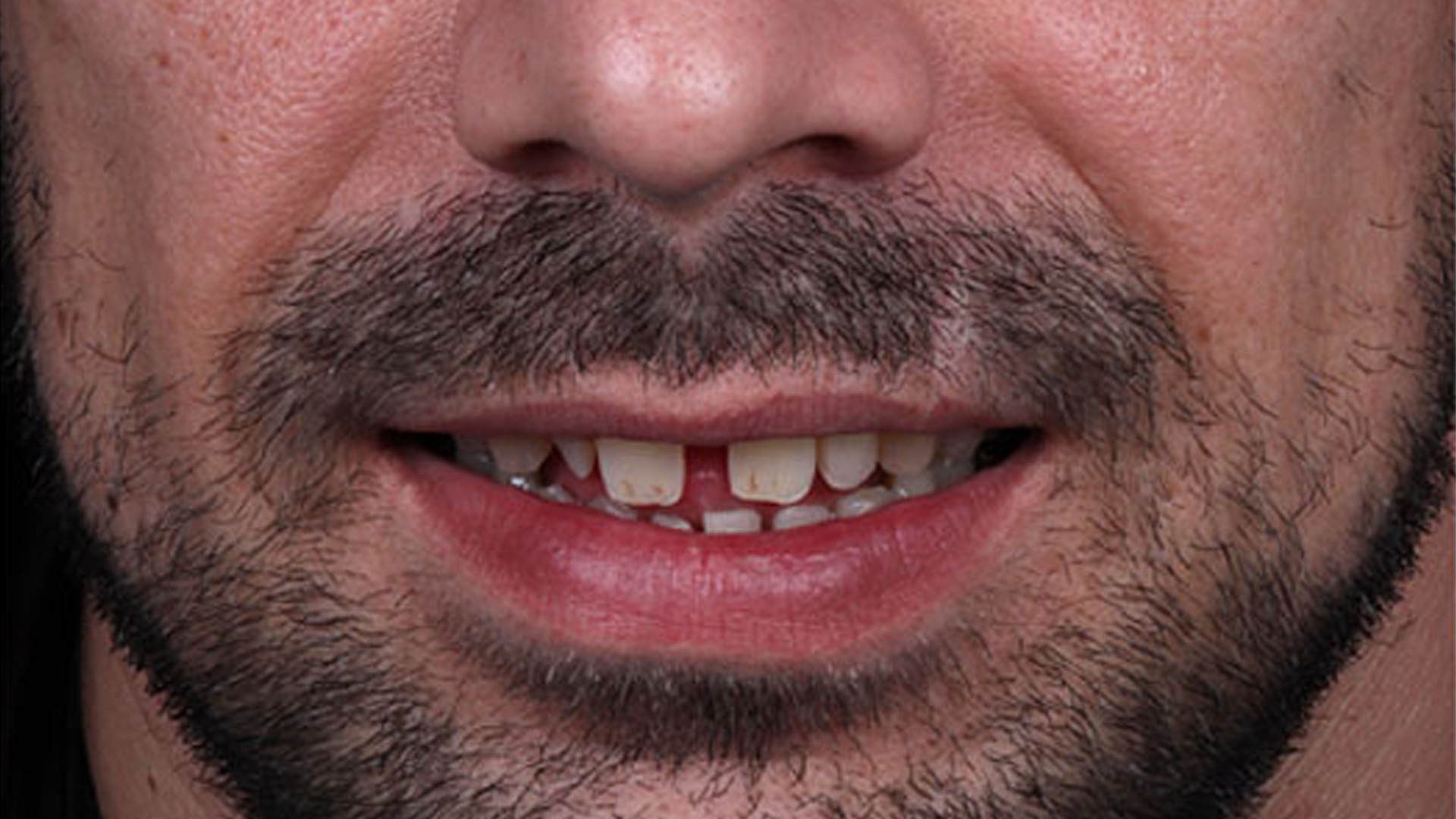

Home – Teeth Whitening
Our team guides you with precision, experience, and refined aesthetic judgment at every step of your treatment.
Teeth whitening is the most widely performed and conservative cosmetic treatment in modern dentistry. When carried out under professional supervision, it is a safe and effective proce
Teeth whitening involves the application of a whitening agent—typically carbamide peroxide or hydrogen peroxide—to the surface of the teeth. These agents chemically interact with pigmented molecules and break them down, without affecting the enamel or altering the internal tooth structure.
Prior to treatment, a professional dental cleaning and evaluation are required. Any existing issues, such as cavities or gum inflammation, must be addressed to ensure proper and safe application.
Whitening is recommended when teeth exhibit dark, yellow, or gray discoloration—whether genetically determined or acquired over time due to aging, medication, or habits such as coffee, tea, red wine, or tobacco use.
Teeth whitening may be performed at home using custom-fabricated trays worn for a prescribed duration, or in-office using light-assisted technology that accelerates the process. In certain cases, a combination of both methods is recommended to achieve optimal results.
The whitening gel is applied to the tooth surface and penetrates the enamel and dentin, releasing oxygen molecules. These oxygen radicals break down stain compounds internally. The procedure does not abrade enamel or weaken the tooth; it alters only the color.
Teeth whitening is one of the most conservative treatments in cosmetic dentistry and has been extensively studied. Scientific evidence confirms that it does not damage enamel or weaken teeth when performed under professional supervision. The most common side effect is temporary tooth sensitivity, which occurs in a small percentage of patients and typically resolves after treatment completion.
Clinical studies indicate that whitening results can last for several years, provided periodic maintenance is performed. A short annual touch-up using custom trays for a few days is typically recommended.
No. Some patients may experience temporary sensitivity, which subsides after the treatment is completed.
No. The procedure does not abrade or alter the structure of the tooth.
Periodic maintenance—typically once per year—is usually recommended.
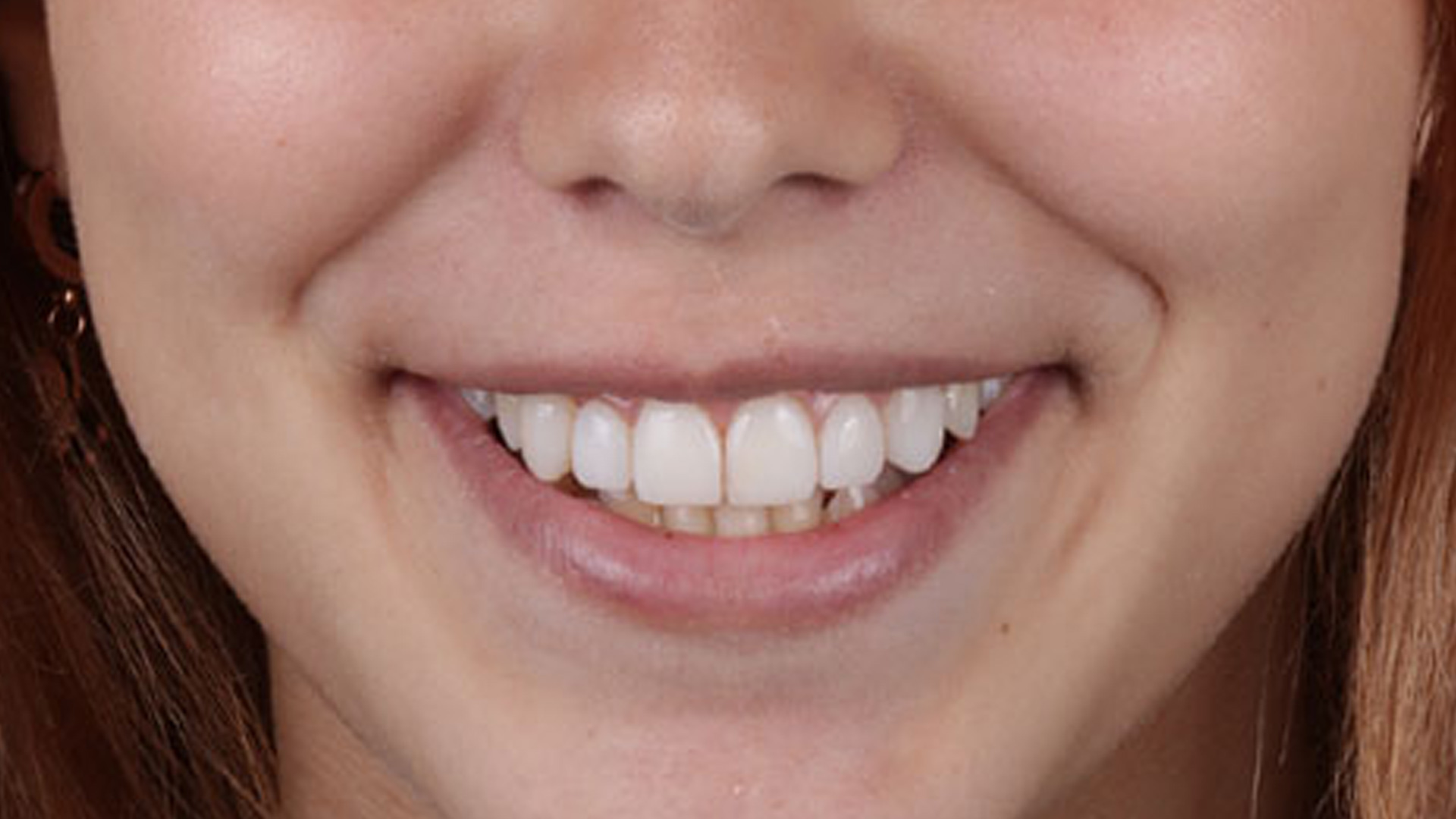
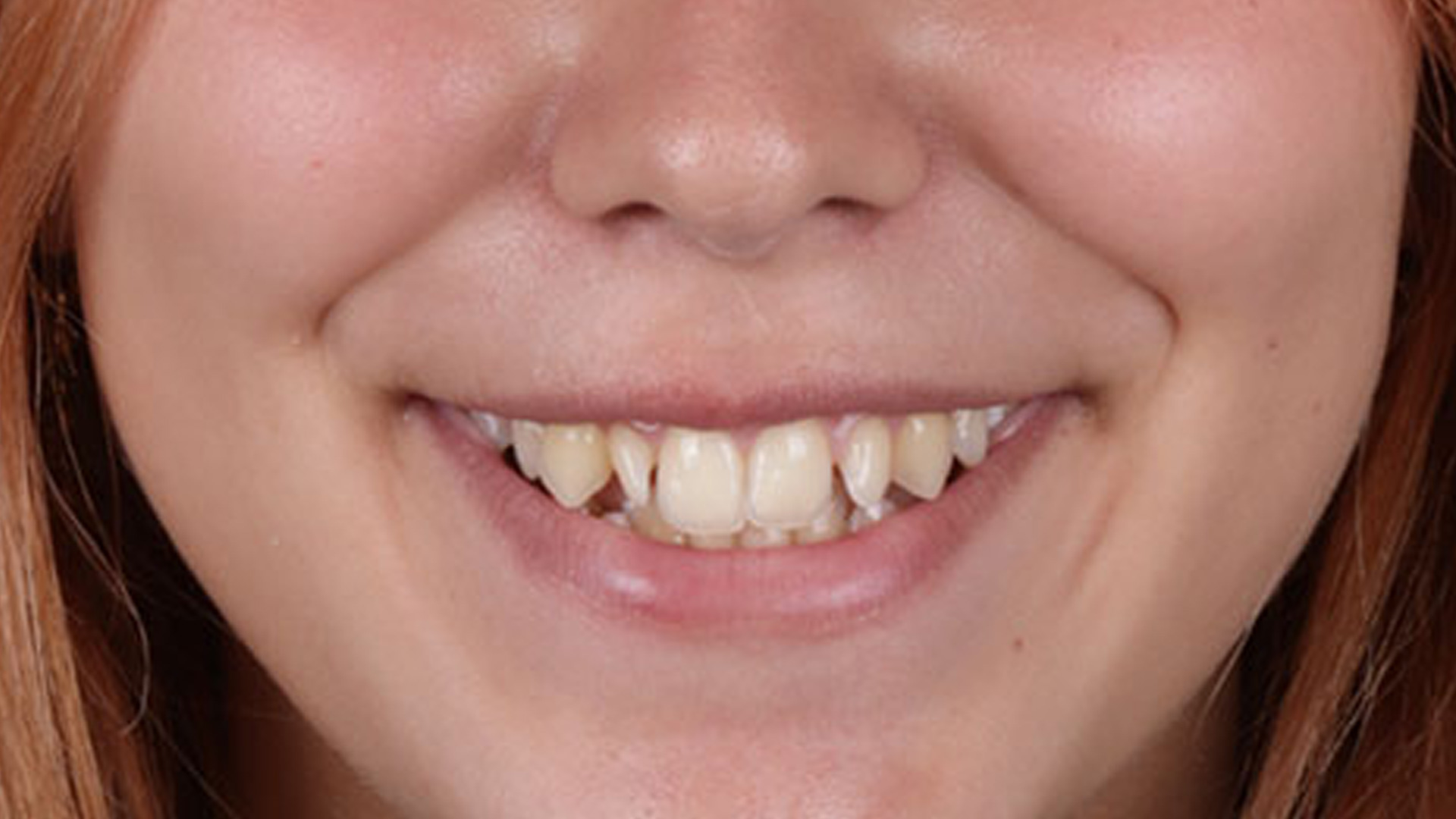
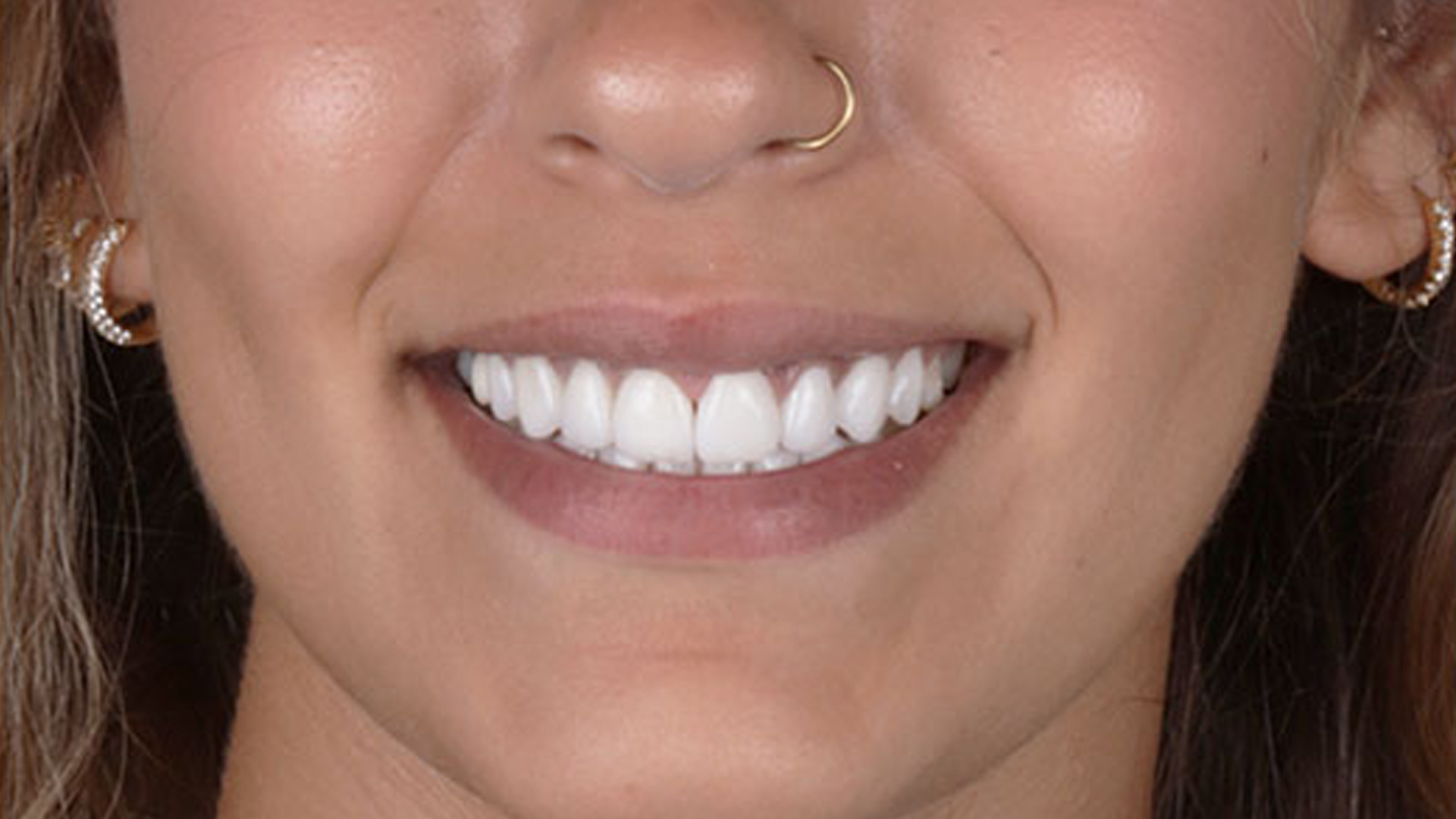
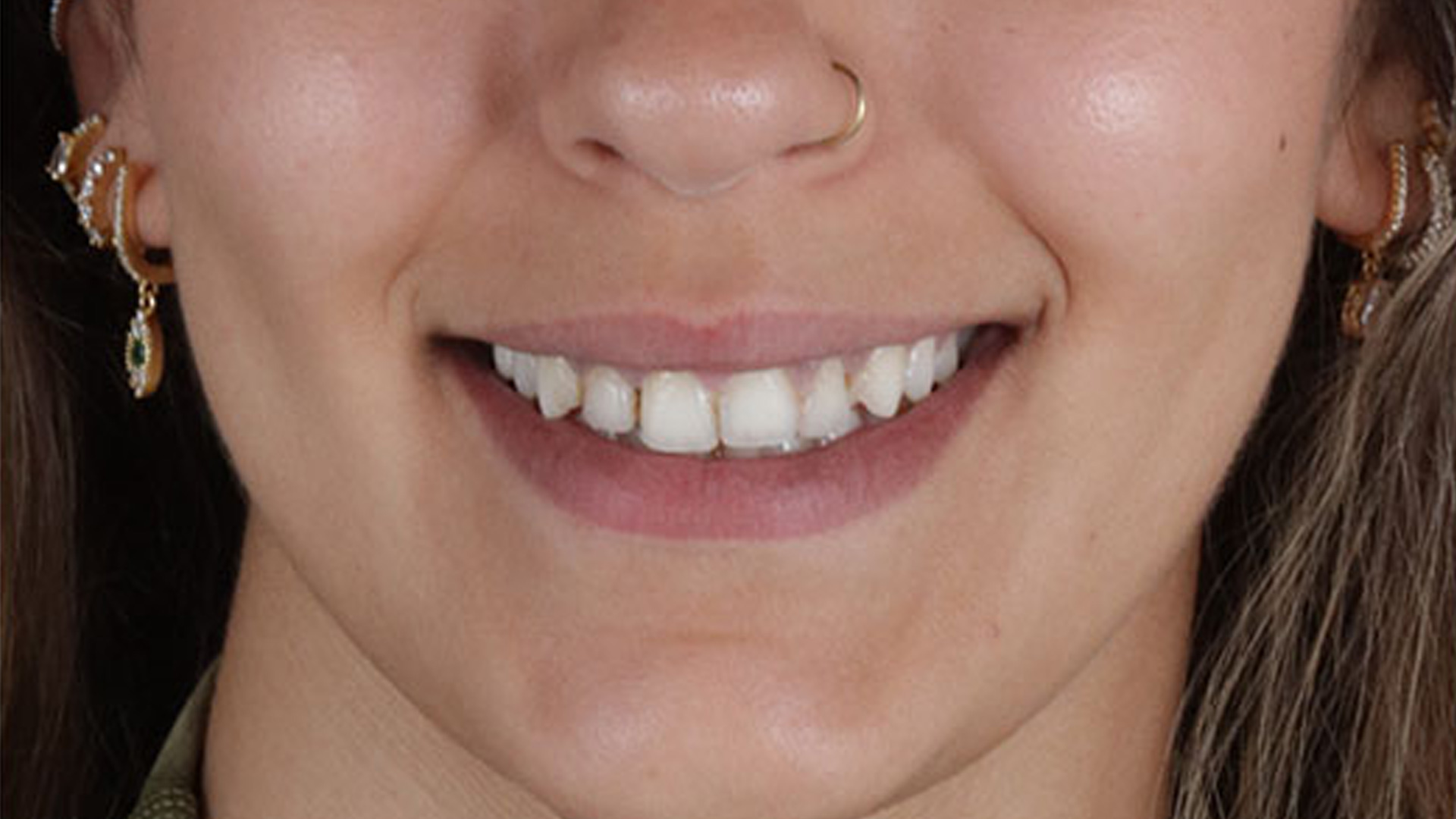
Explore real clinical cases from our practice and see how esthetic dentistry can transform a smile.