

Home – Dental Implants
Our team guides you with precision, experience, and refined aesthetic judgment at every step of your treatment.
lthough improved living conditions and better oral hygiene have reduced overall tooth loss, tooth extraction remains a common experience. Studies indicate that approximately 69% of adults between the ages of 35 and 44 have lost at least one permanent tooth, and by age 74, nearly 26% of adults have lost all of their teeth.
Modern dental implants are, in many cases, the most predictable and scientifically documented solution for replacing missing natural teeth. Long-term research spanning more than 50 years demonstrates success rates approaching 98% in the lower jaw and 95% in the upper jaw over a 15-year period.
A modern dental implant is a cylindrical titanium fixture surgically placed into the bone of the upper or lower jaw to replace the root of a missing tooth.
The specially treated titanium surface is biocompatible and integrates with the surrounding bone through a biological process known as osseointegration. Over the course of several months, the bone forms a stable bond with the implant, ensuring long-term durability and functional stability.
After successful integration, an abutment—a small titanium connector resembling a prepared tooth—is attached to the implant.
A final prosthetic restoration, such as a crown or bridge, is then placed over the abutment. The restoration is designed to replicate the form, function, and esthetics of a natural tooth.
High success rates depend on collaboration among a well-trained and experienced dental team. Comprehensive case evaluation, proper implant selection, precise surgical placement, and meticulous prosthetic rehabilitation are essential.
Implant placement is typically performed under local anesthesia in our fully equipped clinical setting. This approach ensures safe, efficient placement while minimizing postoperative complications.
Modern local anesthetics provide profound, long-lasting numbness and are safe for overall health, making the procedure comfortable and pain-free.
The duration of the procedure depends on the number of implants being placed. In most cases, patient discomfort is less than that experienced during conventional dental procedures of similar duration.
The prosthetic phase of implant restoration does not require anesthesia, as patients do not experience pain during placement of the final restoration.
Dental implants provide a long-term solution that allows patients to forget tooth loss and regain the ability to smile, speak, and function with confidence.
xplore real clinical cases from our practice and see how esthetic dentistry can transform a smile.
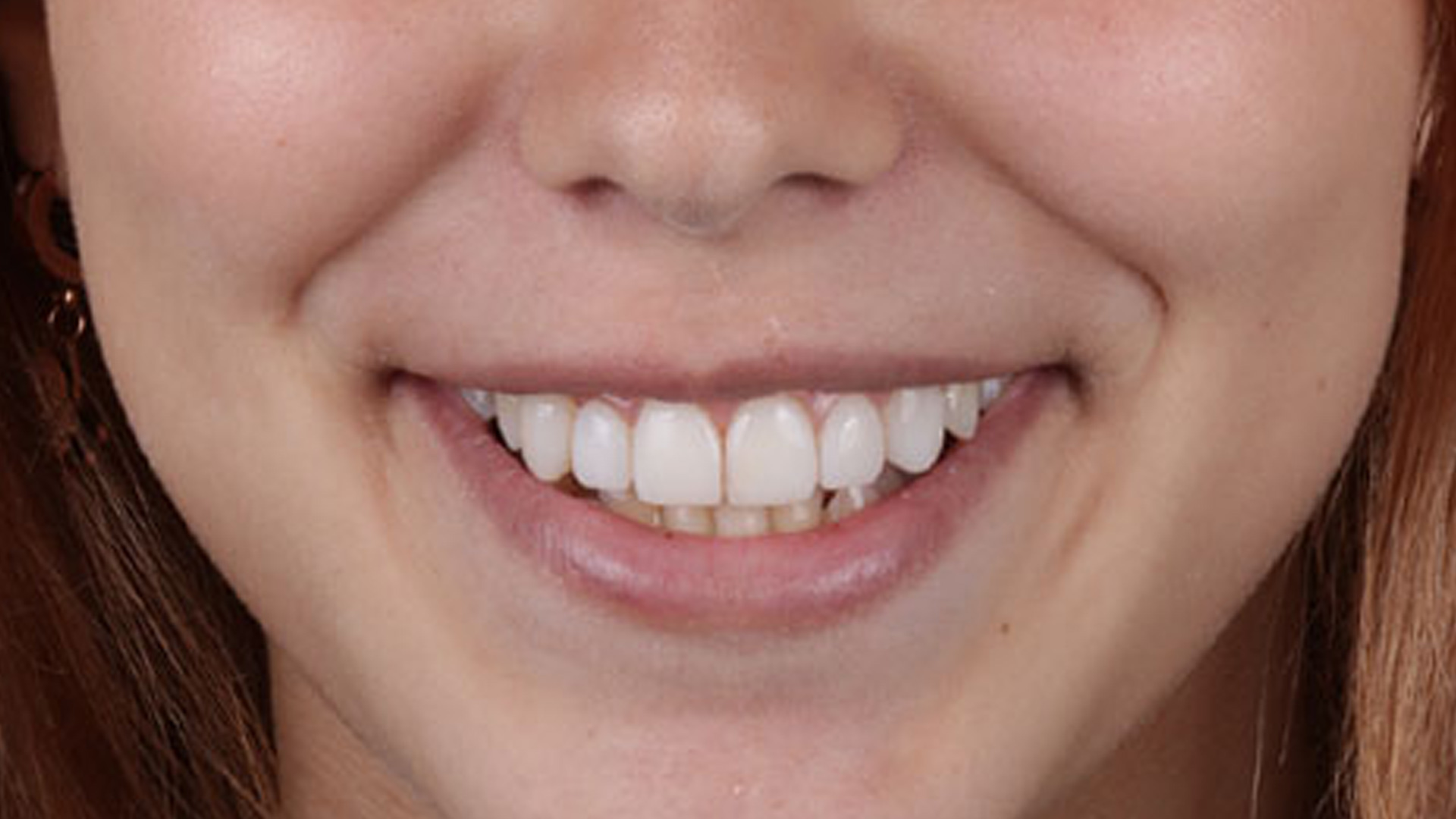
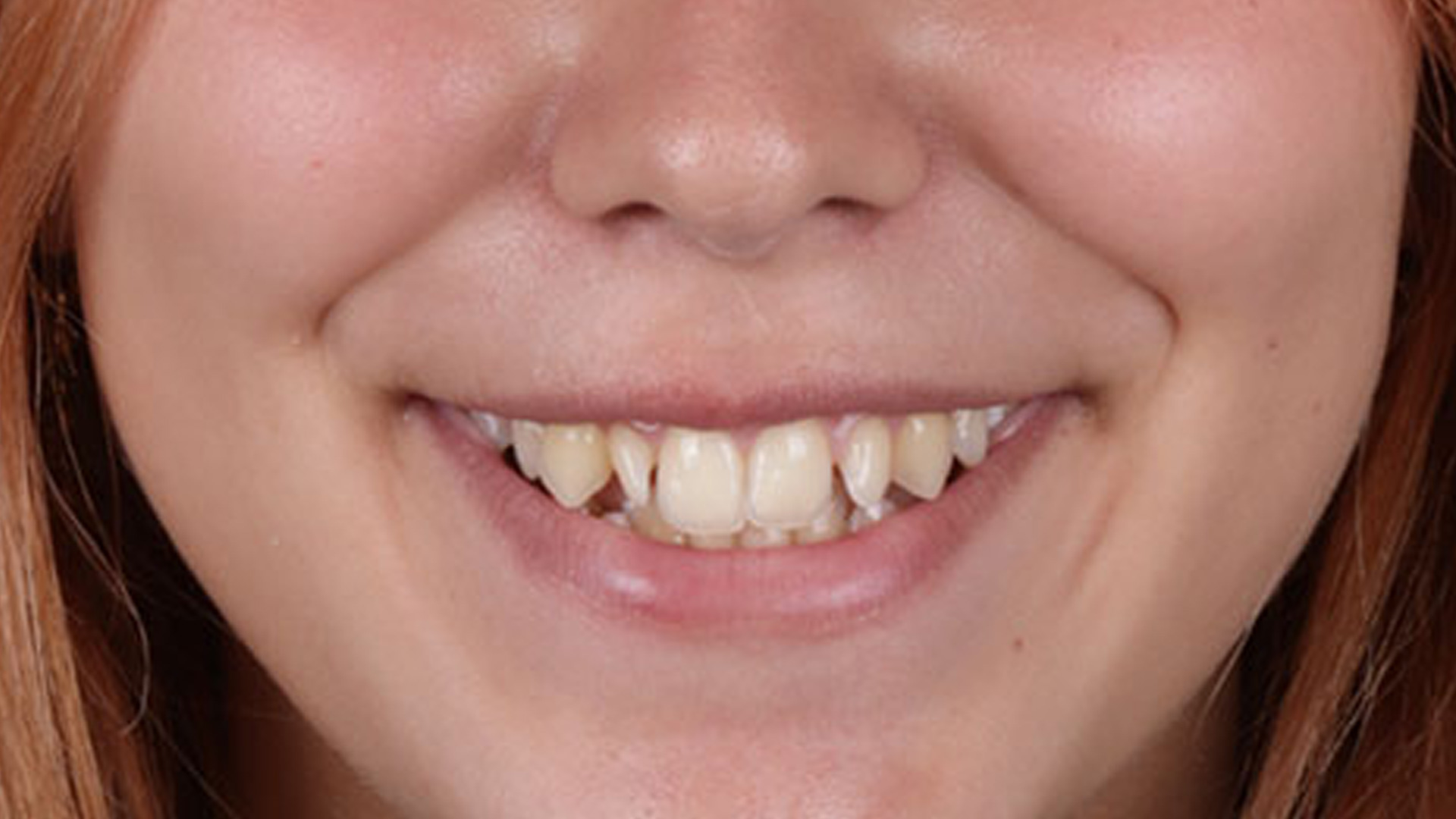
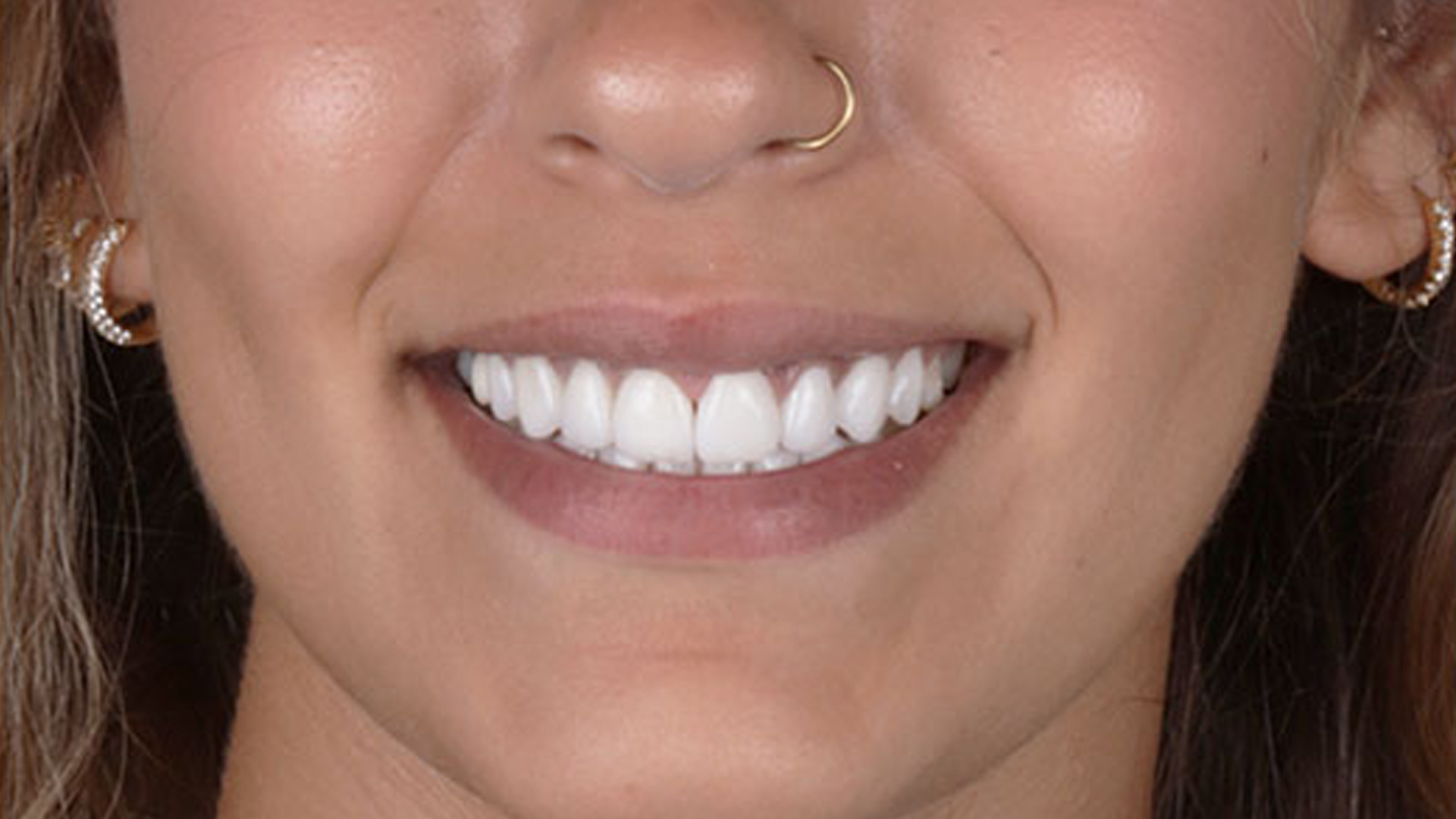
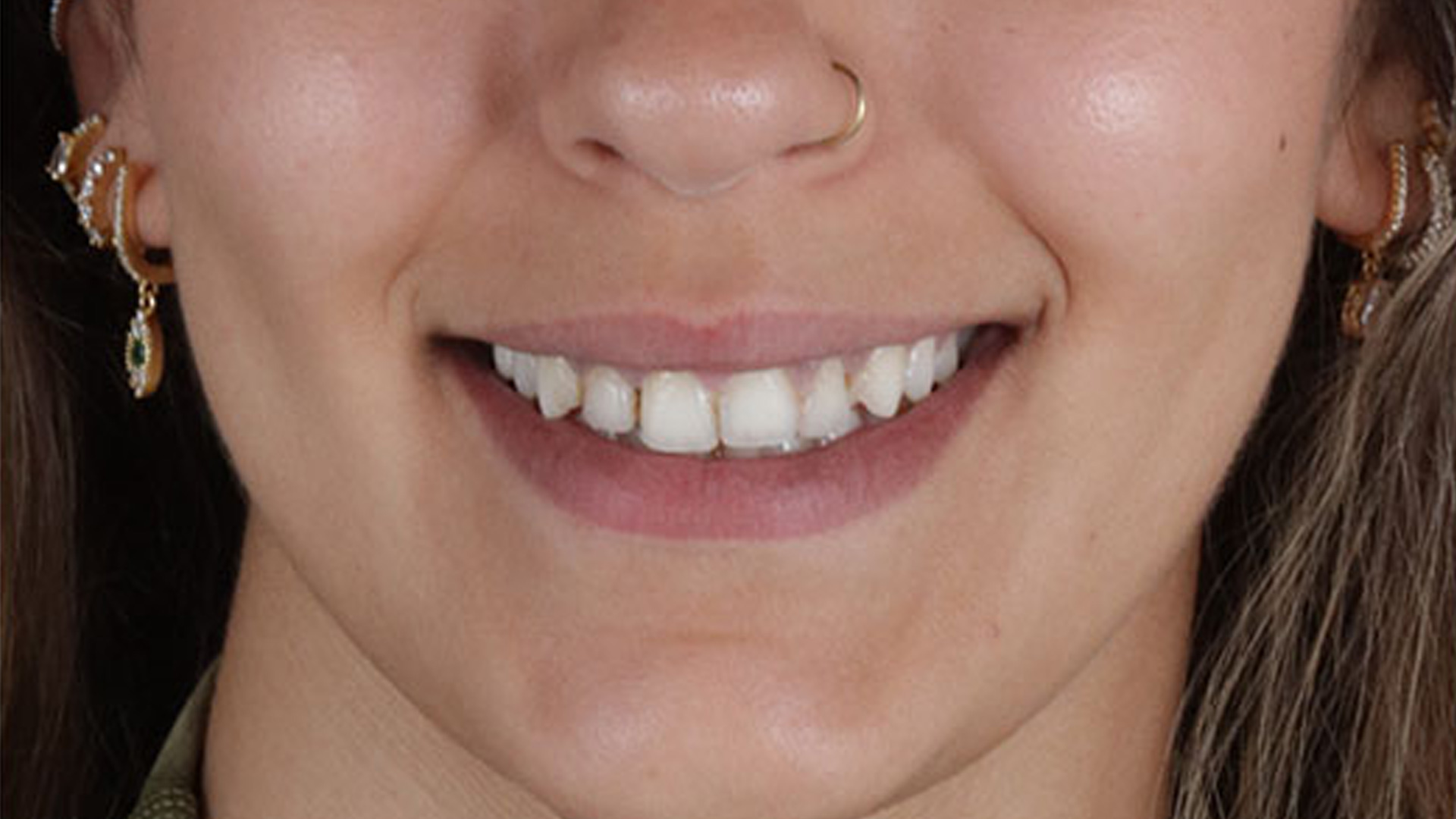
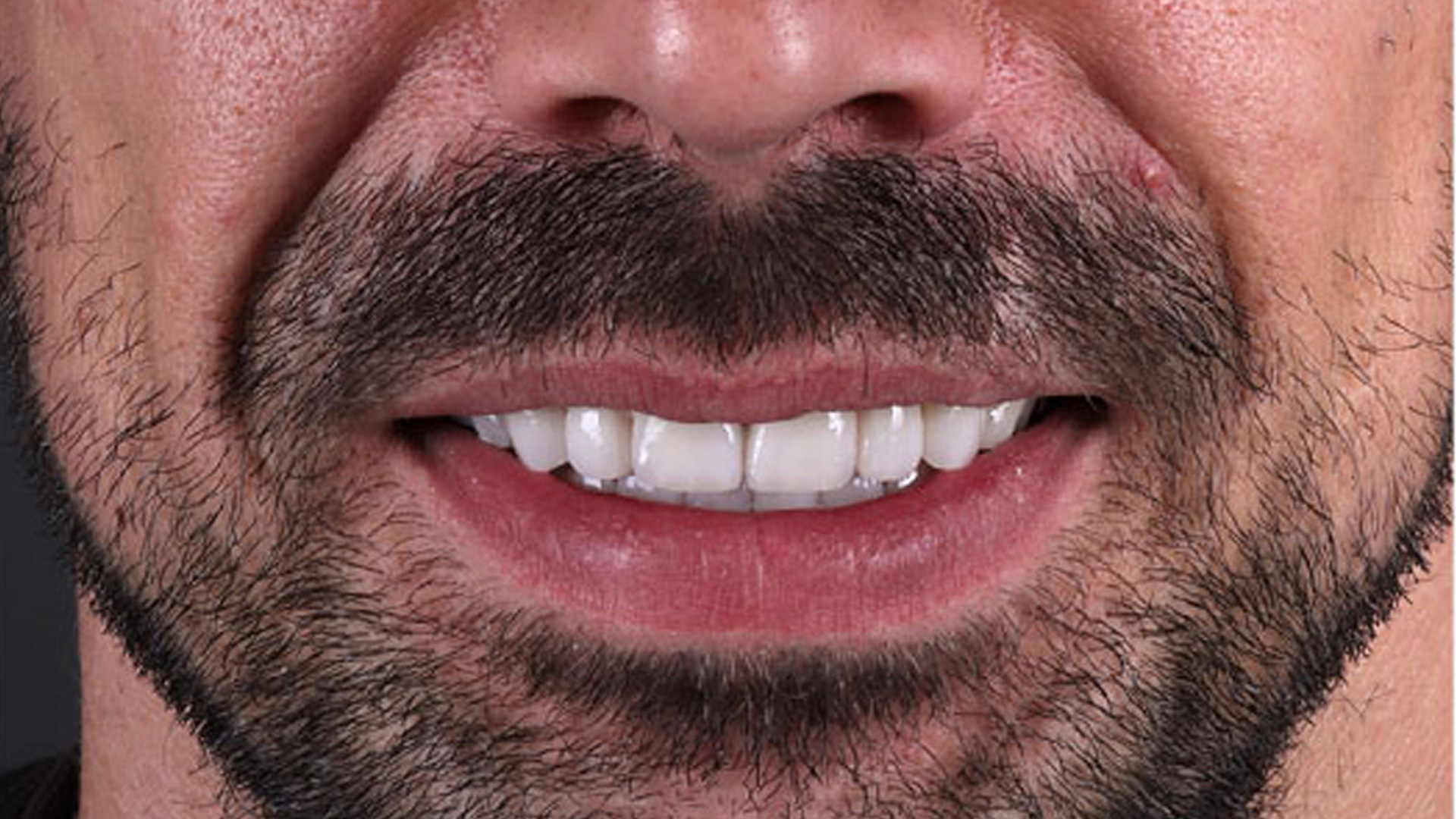
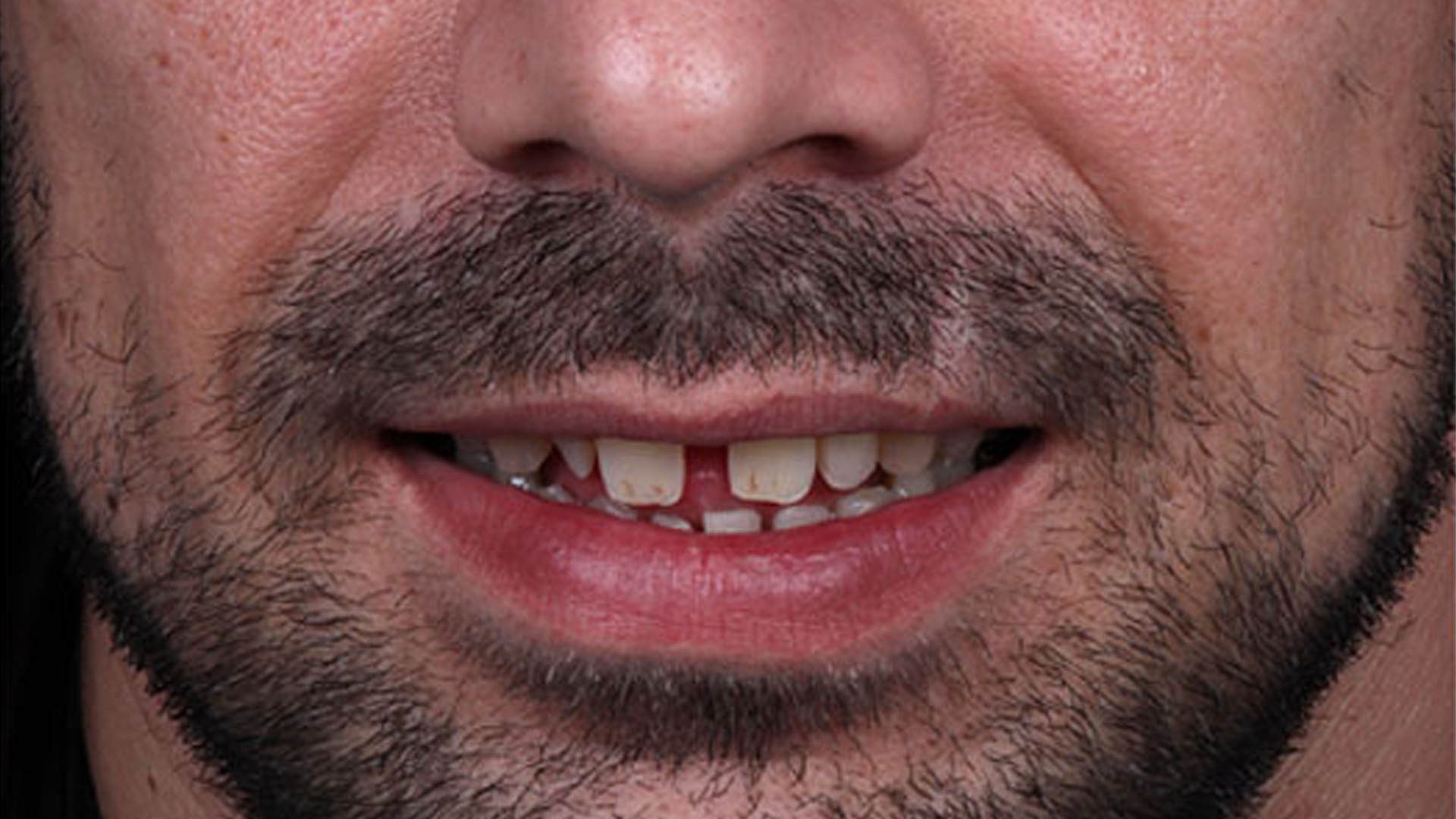
Through digital analysis, we design your smile in harmony with your facial features and present a realistic preview before any treatment step.